
Tuscany
by catamaran.
Charter a catamaran in Tuscany—explore Elba, Capraia, Giglio & the Tuscan archipelago. Scenic bays, historic harbors, and Italian “dolce vita” by sea await.
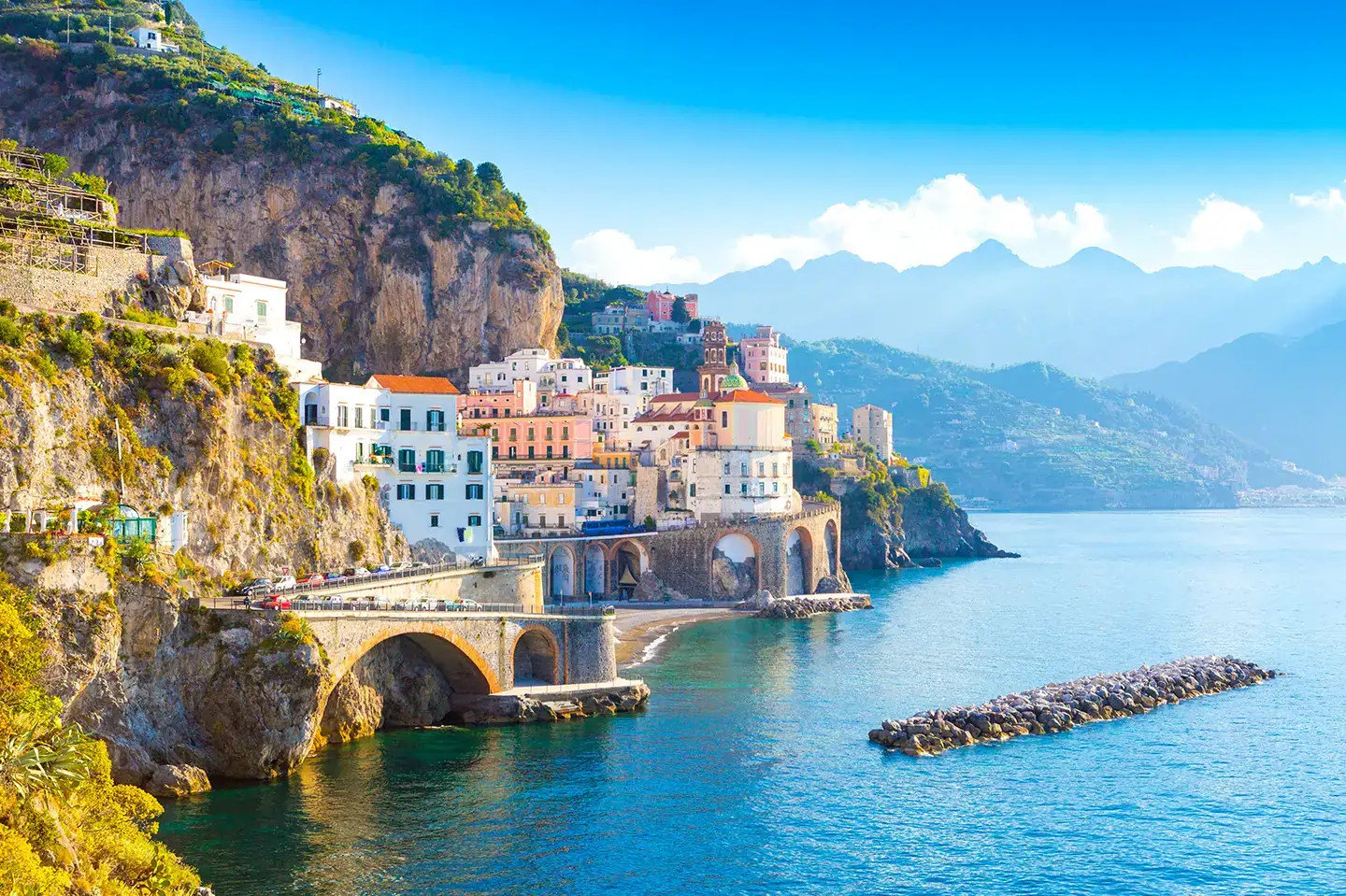
Catamaran Charter Tuscany — Tuscan Archipelago & Elba
Choose bareboat or a crewed catamaran. We plan routes, moorings, fuel, and restaurant stops. Berths book out fast in July and August. Arrive early afternoon for the best spots.
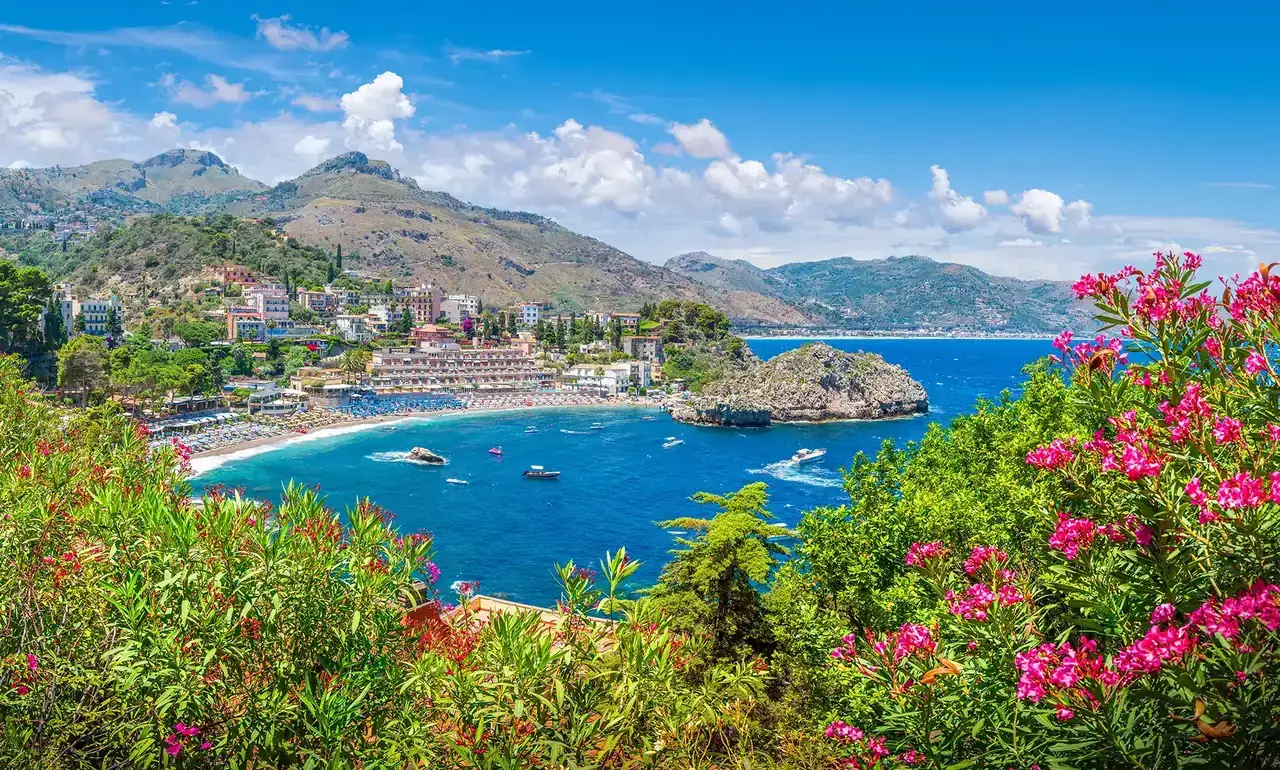
Elba Island
Portoferraio gives all-weather shelter, fuel, and markets near the quay. Marciana Marina suits quieter nights, with shops and easy walks. Anchor on sand in Biodola, Procchio, Fetovaia, and Cavoli in settled conditions. Enfola offers good holding and a short hike with views. Avoid weed patches and respect swim zones. Distances stay short, so families get plenty of swim time.
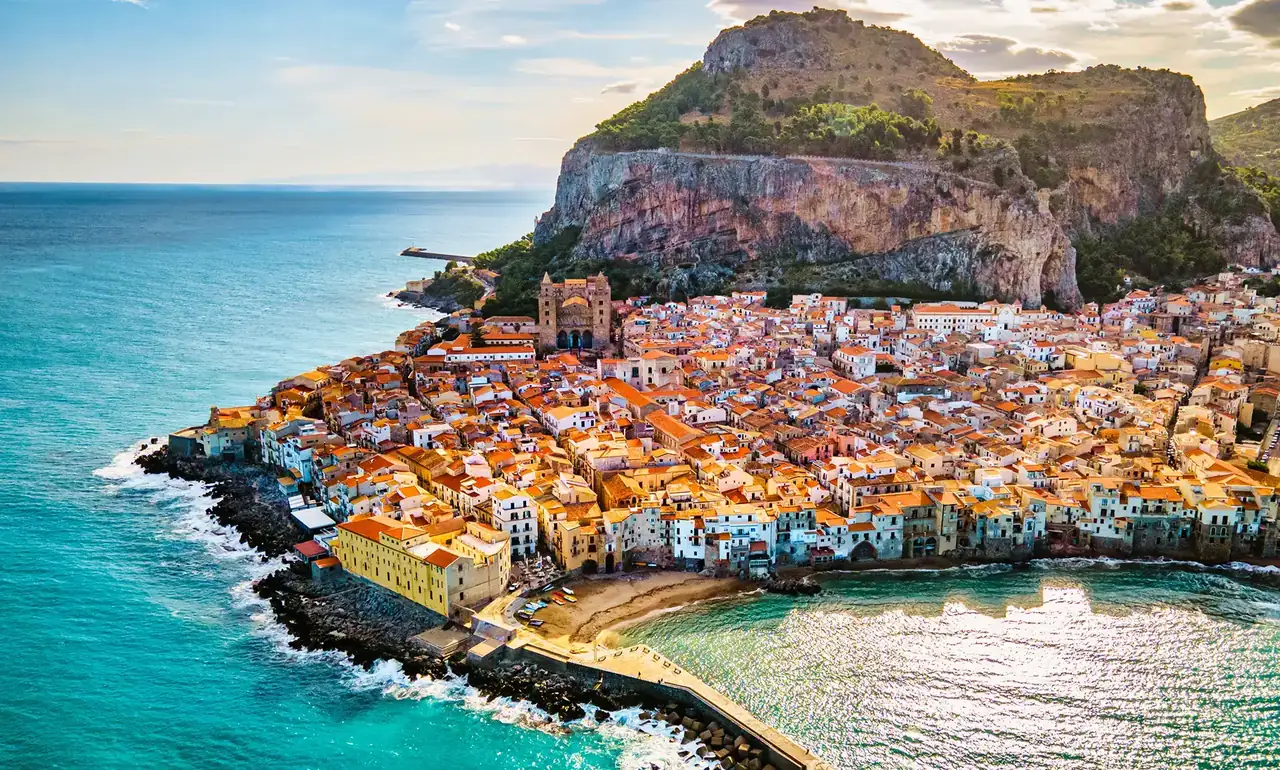
Capraia
A wild island with red cliffs and clear water. Enter Porto di Capraia at slow speed and take a berth or mooring. Cala Rossa and the north coves work in calm weather. Keep clear of restricted areas and watch katabatic gusts at night. Services are simple, which keeps the vibe authentic. A night here feels far from the mainland.
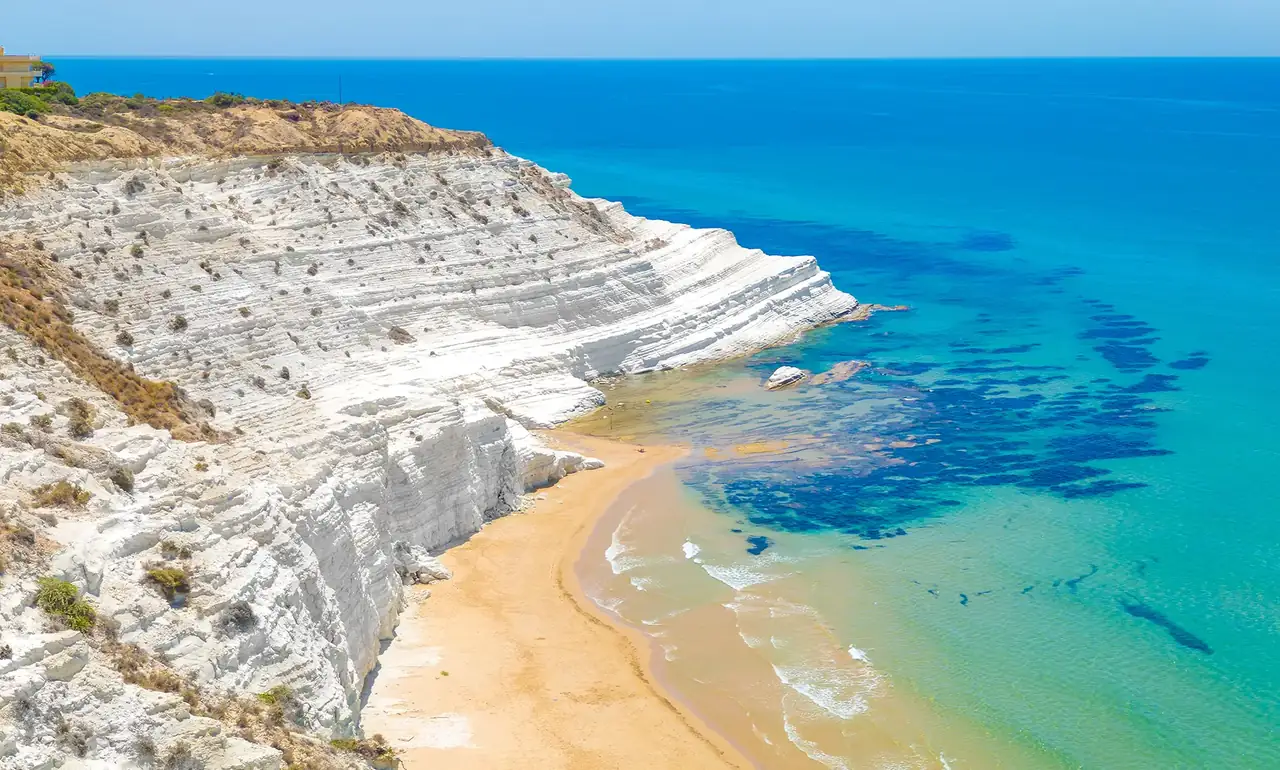
Giglio and Giannutri
Giglio Porto is colorful and protected in most directions. Campese sits open to westerlies, so pick a settled forecast. Cannelle and Caldane give turquoise water over sand. Giannutri is a marine area with strict rules. Use permitted moorings in Cala Spalmatoio and Cala Maestra and follow the zone map. Landing limits change by season. Montecristo and Pianosa hold stricter protection, with no routine visits. This leg delivers quiet anchorages, clean water, and an easy run back to the mainland.
Catamaran charter Tuscany — the underrated Italian week
Tuscany is the quietest of the four main Italian charter regions, and that is the point. The Parco Nazionale Arcipelago Toscano covers seven islands — Elba, Giglio, Capraia, Pianosa, Montecristo, Giannutri, Gorgona — most of them protected, some with strict access rules. Distances are short, the prevailing wind is dependable, marinas are calm even in August, and the inland Tuscan coast (Maremma, Argentario) delivers some of the best food in Italy a five-minute walk from the harbour.
A catamaran is the practical choice here. The shallow Pianosa anchorages and the wide beaches around southern Elba sit in 3-5 metres of water — keelboats stay further offshore. See our Tuscany catamaran fleet or read on for what makes the region work.
Geographic overview
Most charters depart from Marina di Scarlino or Punta Ala on the Maremma coast and head west. Elba is two and a half hours of motorsailing away. Around Elba, anchorages cluster on the southern and eastern coasts. From Elba, Capraia is a longer hop (28 miles north), Giglio is 18 miles south, and the more restricted Pianosa and Montecristo require advance permits. Charter weeks rarely manage all seven islands — three plus a Pianosa permit slot is the typical realistic week.
The entire archipelago sits inside the Parco Nazionale Arcipelago Toscano marine protected area. Different islands have different access rules: Elba is unrestricted, Giglio and Capraia have soft mooring-buoy zones, Pianosa is permit-only with a daily cap, and Montecristo is effectively closed to charter visitors. The park's mooring fields (Cala Mortola on Capraia, Cala dei Turchi on Pianosa) are well-maintained and cost €25–€40 per night — book at parcoarcipelago.info when our team files your permit pack.
The single trick to a Tuscan week is locking the Pianosa slot before you fly. Permits are released 60 days ahead, the 200-visitor daily cap fills in 48 hours on summer weekends, and a Tuscan charter without a Pianosa day is half the experience. We pick our charter dates around the permit window, not the other way around.
Key destinations within the area
Elba — the eastern half
Most weeks anchor on Elba's eastern and southern shores. Porto Azzurro is the most charter-friendly harbour, with a sheltered bay and good provisioning. Spiaggia di Lacona on the southern coast has fine sand and shallow water for catamaran anchoring. The mining village of Capoliveri in the hills above Porto Azzurro has the best dinner spots — try Il Chiasso for fresh seafood. Don't miss the dawn light on the eastern coast — the granite cliffs around Punta Bardella catch the first sun and the anchorage in Cala dell'Innamorata stays glassy until the Maestrale kicks in around 11:00.
Elba — the western half and Marciana Marina
The western half is greener, mountainous, and more remote. Marciana Marina has stern-to mooring under the village houses, and the cliff-top hamlets of Poggio and Marciana Alta are ten minutes by taxi. Mount Capanne (the highest point of the archipelago) has a cable-car for non-sailors who want a half-day off the boat. Sant'Andrea on the northwestern tip has a small mooring field with translucent water over granite slabs — one of the most photogenic anchorages in the archipelago, and exposed only in strong northerly weather.
Capraia
The wildest of the larger islands, 28 miles north of Elba. Anchorage at Cala Mortola on the eastern side, single small port at Porto di Capraia. The interior is volcanic and uninhabited; one harbour-front restaurant with a small wine list. Worth the long hop only on settled weather and only if your group enjoys quiet — there is genuinely nothing here except the water and the rocks. The island once held a high-security prison until 1986; the abandoned prison buildings on the southern coast are now a small walking-tour destination on calm afternoons.
Giglio
Off the southern Tuscan coast, 18 miles from Elba. Anchorage at Cala delle Cannelle (sand and turquoise water, popular Italian holiday spot) or stern-to in Giglio Porto. The hilltop village of Giglio Castello is a 15-minute climb above the harbour with stone houses and a couple of decent dinner options. The whole island is walkable — bring trail shoes. Giglio is also where the Costa Concordia ran aground in 2012; the salvage operation is long gone but local memory and the dive site nearby still draw curious sailors.
Pianosa & Montecristo (restricted)
Pianosa requires booking permits at least 30 days in advance — landings are limited to 200 visitors per day, and the perimeter is patrolled. Anchorage on the south side at Cala dei Turchi; the water clarity rivals the Aeolians. Montecristo has stricter rules — only 1,000 visitors per year, all guided. Most charters skip it. For Pianosa, mooring is on numbered buoys; landing on the beach requires a separate ticket and a guided walk along the marked path around the prison ruins.
Giannutri
A tiny island just south of Argentario. Cala Maestra is the main anchorage; the Roman villa ruins above the bay are open to visitors. Worth a lunch stop on the way south to Giglio or back from Argentario to Marina di Scarlino. The southern coast at Cala dello Spalmatoio has the deeper water and a small mooring field for sail-boats — a quiet last-night option if the forecast is settled.
Best catamarans for Tuscan waters
Tuscany favours mid-size catamarans — Lagoon 40, Lagoon 42, Bali Catspace, Fountaine Pajot Astrea 42. The archipelago's shorter distances mean engine hours stay low, and the region's calmer summer winds suit lighter cats well. For families or groups of 8-10, the 42-foot range delivers the best balance of cabin space and easy handling. Generator and AC are worth requesting for July and August — afternoons at Cala dei Turchi or Cala delle Cannelle hit 32°C and the sea breeze fades inside the protected bays.
Where to start — marina bases
Marina di Scarlino
The most popular Tuscan charter base, halfway between Pisa and Rome airports. Quieter than a city marina, with easy provisioning and good Tuscan trattorias within walking distance. Pisa airport is 90 minutes by taxi; Florence airport is 2 hours. The marina ship-chandler stocks proper safety gear and most spares — useful if you arrive with a checklist of replacements.
Punta Ala
High-end resort marina north of Scarlino, with a more polished feel and direct beach access. Fewer charter boats, more private yachts. Same airport access as Scarlino. Best for guests combining a charter with a Tuscan land stay — the resort hotel rooms make a smooth pre-charter night and the on-site restaurants extend the evening when the boat is already loaded.
Piombino
Less common as a charter base but useful for one-way charters to or from Elba. Closer to Elba (1.5 hours of motorsailing versus 2.5 from Scarlino), more functional than scenic. Worth considering if your guests are arriving via the Piombino-Portoferraio ferry route and you want to start the week with the boat already across.
Season and weather
Tuscan charters work best in shoulder season — late May to mid-June and September. Air temperatures sit at 25–28°C in shoulder season, water at 22–24°C. The dominant wind is the Maestrale (NW) and the local thermal Libeccio (SW), both in the 8–15 knot range and predictable. Peak season (July-August) gets warmer and slightly busier in Porto Azzurro and Giglio Porto, but marinas remain calm compared to Sardinia or Campania.
Watch for Libeccio events — gusty southwest winds 25–30 knots that can build in spring and autumn. Most last a day or two; a flexible itinerary handles them fine. A useful local rule: if the Tramontana (northerly) is forecast for the next 24 hours, retreat to the eastern Elba coast (Porto Azzurro, Lacona) — the western anchorages get the chop.
Sample 7-day Tuscany catamaran route
Saturday — Marina di Scarlino. Check-in, brief, dinner at one of the harbour-front trattorias. Sunday — Elba (Porto Azzurro). 2.5-hour crossing, anchor outside or stern-to in the harbour, lunch on board. Monday — Spiaggia di Lacona & Capoliveri. Swim morning, dinner ashore in the hilltop village. Tuesday — Marciana Marina (western Elba). Round the southern point, lunch in Marina di Campo, overnight Marciana. Wednesday — Capraia. 28-mile northbound hop on a settled-weather window (or substitute Pianosa if permits cleared). Thursday — back to Elba (Marina di Campo). Long route, anchor for last Elba night. Friday — Giannutri or Argentario. Lunch on the way back. Saturday — return Marina di Scarlino by 09:00.
The Tuscan week is the only Italian charter where I tell guests to slow down on the Wednesday. Skip Capraia if the weather is questionable, anchor at Lacona for a second night, and use the spare day to walk Capoliveri and eat slow. The archipelago does not reward racing through it, and Capraia in a 25-knot Maestrale is a delivery, not a charter.
Food, wine and local culture
The Tuscan coast is a serious food region. Cacciucco (the Livornese fish stew) is a one-pot meal worth a dinner ashore. Pici pasta with ragu of Maremma wild boar shows up on most menus inland from Scarlino. The local cheeses — pecorino di Pienza, marzolino — pair with Morellino di Scansano, the regional Sangiovese-based red. White wines stay light: Vermentino della Maremma with seafood, the local Ansonica from Giglio with raw fish. On Elba, ask for aleatico, a sweet red dessert wine that is hard to find anywhere else. Saturday morning markets in Capoliveri and Porto Azzurro are worth an early walk — the cheese counters open at 07:30 and most produce sells out by 10:00.
Families, first-time crews and bareboat thresholds
Tuscany is one of the most family-friendly catamaran regions in Italy. Short crossings, sheltered anchorages, predictable winds, and a calm marina culture all add up to low stress on the water. Bareboat is realistic with an Italian Patente Nautica or an ICC with coastal endorsement and a recent crewing logbook. For first-time skippers without Mediterranean experience, hire a captain for the first three days and run bareboat for the back half of the week — most bases accept this hand-off if you book it in advance. Tuscan charter teams are friendly to the “captain-then-bareboat” pattern in ways the busier Sardinian and Campanian bases sometimes aren't.
Ready to plan? Browse the Tuscany catamaran fleet or send us your trip details and we will reply with matching boats and a transparent quote within hours.
Catamaran charter by marina in Tuscany
Jump straight to the catamarans based at each Tuscany-area marina. Every link opens the live fleet for that home port — useful if you already know where you want to start and finish your week.
Marina Cala de' Medici catamaran charter
At Rosignano Solvay south of Livorno, Cala de' Medici is one of the main Tuscan catamaran bases on the mainland coast. It gives a straight run out to Elba, Capraia and the rest of the Tuscan Archipelago.
View catamarans at Marina Cala de' MediciMarina di Scarlino catamaran charter
In the Gulf of Follonica near Punta Ala, Scarlino sits opposite Elba and the islands of the Tuscan Archipelago National Park. Its position on the southern Tuscan coast makes for short hops to Elba and Giglio.
View catamarans at Marina di ScarlinoPunta Ala catamaran charter
A well-equipped marina on the Maremma coast facing Elba, Punta Ala is backed by pine woods and a long sandy beach. It is a relaxed base for cruising the Tuscan Archipelago, with Elba and Giglio within comfortable reach.
View catamarans at Punta AlaMarina di San Vincenzo catamaran charter
On the Etruscan Coast between Livorno and Piombino, San Vincenzo is a sheltered base close to the Piombino channel and the ferry route to Elba. Capraia and the northern Tuscan Archipelago open up from here.
View catamarans at Marina di San Vincenzo
Tuscany — questions answered.
How does Pianosa permit booking work?
Is Tuscany good for first-time charterers?
How much does a Tuscany catamaran charter cost?
Can I combine Tuscany with the Côte d’Azur or Corsica?
When is the best time of year to sail the Tuscan Archipelago?
Is the Tuscan Archipelago family-friendly for small children?
Plan your Tuscany week — we'll match the boat.
Send your dates, departure base and crew size. A broker replies with matching catamarans and a route that fits — usually within the same business day.